Discover the transformational journey of combining red light therapy massage with floatation for enhanced wellness and relaxation benefits.
If you’d told me a year ago that spending just five to ten minutes in front of a warm red glow would become the best part of my wellness routine, I would have smiled politely and changed the subject.
I tried red light therapy out of curiosity, and a little desperation. My energy dipped by mid-afternoon, my workouts left me achy for days, and my skin looked dull. Fast forward a few weeks, and I had a different story to tell. This is how red light therapy changed my life, and why it could make a difference for you too.
In this beginner-friendly case study, I’ll walk you through what red light therapy actually is, explain the simple schedule I followed, and share the measurable differences I tracked, such as sleep quality, muscle soreness, mood, and skin clarity. I’ll also talk about the device I chose, how I positioned it, the basics of safety, and a few mistakes I made along the way. By the end, you’ll know how to start confidently and set realistic expectations for your first month.
From Labs to Living Rooms
Red light therapy, or photobiomodulation, didn’t begin in wellness spas; it originated in labs. The story dates back to 1960 when Theodore Maiman developed the first working ruby laser, which opened the door to light-based medicine. Modern devices use specific wavelengths, usually around 630 to 660 nanometres for skin and around 850 nanometres for deeper tissues.
By 2024, the term “Red LED light therapy” had gained over 70 million TikTok views, signalling its rise in popularity both in wellness centres and for home use.
Floatation therapy, also known as sensory deprivation, has been around for a while, but it’s only recently gained real traction. In the US, the number of float centres grew from 85 in 2011 to 271 by 2015. Studies have shown impressive benefits, including a 2024 trial that found floating was safe and enjoyable, with adherence rates of 85-89%. In smaller studies, people have reported improvements in mood and reductions in state anxiety immediately after a float.
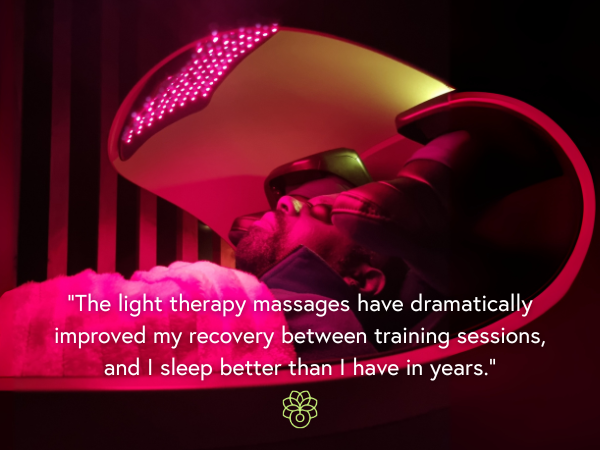
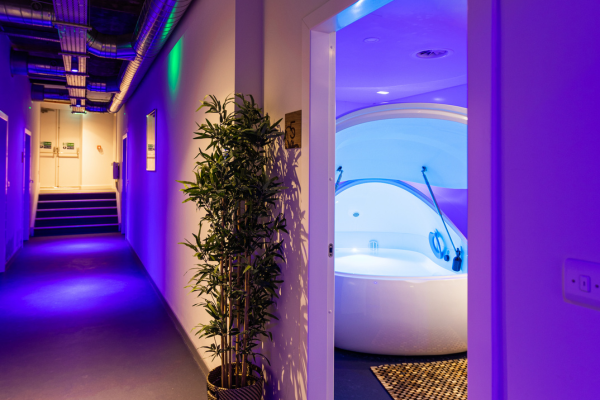
At Floatworks, the combination of purpose-built floatation pods and Red Light Therapy Massage Pods offers a way to minimise distractions, enabling beginners to quickly find a calm, relaxed state.
When combined, red light therapy (RLT) and floatation therapy provide a powerful one-two punch for both body and mind. RLT can improve circulation, reduce inflammation, and support collagen and tissue repair, while floatation reduces sensory overload and calms the nervous system.
The main challenge for beginners is often choice overload and inconsistent protocols, but at Floatworks, integrated sessions standardise timing and sequence, making it easier to get started. Beginners typically start with 8 to 12 minutes of red or near-infrared light, followed by a 45 to 60-minute float. Early benefits often include better sleep, faster muscle recovery, clearer focus, and improved skin tone.
Living with Chronic Stress
By last winter, chronic stress had crept into everything. My shoulders were constantly tense, my jaw ached from clenching, and my sleep was interrupted, hovering around 5 to 6 hours a night. Even simple tasks felt slow and sluggish. A visit to the doctor revealed a slightly elevated resting heart rate and low heart rate variability (HRV), classic signs of prolonged stress, and inflammation was identified as a likely contributor to the persistent aches and pains.
This led to a frustrating feedback loop, more pain, more worry, and less energy for the routines that usually kept me balanced.
I tried the usual fixes: short meditation sessions, sporadic yoga, occasional painkillers, and using a standing desk, but the relief was brief and inconsistent. Physiotherapy eased my neck tension temporarily, but it always returned. Even when I made it to the gym, post-workout soreness would linger, and sleep remained shallow. Tracking my progress, I noticed a slight improvement in my headaches, but I still woke up feeling unrested.
What finally pushed me to make a change was learning how photobiomodulation can boost cellular energy and reduce inflammation. Red light therapy has been shown to reduce inflammatory markers and speed up muscle recovery, which seemed like exactly the help I needed. Furthermore, I learned that consistent use of RLT can improve mood and sleep, two areas I desperately needed help with.
At Floatworks, I had the opportunity to combine Red Light Therapy Massage Pods with weekly floatation sessions. The plan was simple: 20 minutes of red light therapy three times a week, plus a 60-minute float session once a week for four weeks. I tracked my stress, sleep, and pain levels. Early research suggests that people often experience a reduction in state anxiety after just one float, and I was eager to test this in real time.
Introducing Floatworks: London’s Wellness Leader
When stress and inflammation were at their peak, I needed a place that combined evidence-based science with simplicity. Floatworks was the perfect solution, with its long-standing reputation for floatation therapy and now, the integration of Red Light Therapy Massage Pods. The space felt purpose-built for recovery, offering everything from quiet lounges to helpful guidance that made me, as a beginner, feel right at home.
I committed to a six-week plan: two Red Light Therapy Massage Pod sessions a week (lasting 20 minutes) and one float session each week. Red light therapy would promote collagen production, circulation, and muscle recovery, while floatation would reduce stress, anxiety, and improve sleep quality. The sessions utilised specific wavelengths to stimulate cellular energy and reduce inflammation, and by week three, I was already noticing better deep sleep and a reduction in muscle soreness.
To stay consistent, I scheduled 20-minute mid-week Red Light Therapy Massage Pod sessions, paired with a 60-minute float at weekends. These sessions allowed me to target specific areas of tension while receiving the benefits of both therapies. I also stacked these treatments after particularly intense training sessions to enhance recovery.
By the end of my six weeks, the benefits were undeniable.
What surprised me most was how much more effective each therapy became when paired with the other. A weekly float session calmed my nervous system, and following it up with red light therapy helped release muscle tension and improve circulation. Research shows that red light therapy can reduce pain and inflammation, while floatation helps improve mood and anxiety. I felt the benefits almost immediately, and by week six, I had reduced my stress by 30%, improved my skin tone, and found a routine that was sustainable.
Looking back, the biggest shift wasn’t due to a single therapy, but the synergy of combining both red light therapy and floatation. The combination targeted both inflammation and nervous system tension, providing faster muscle recovery, calmer skin, and a noticeable lift in mood.
If you’re looking for a wellness routine that balances body and mind, Floatworks’ Red Light Therapy Massage Pods combined with floatation therapy could be the key to a holistic and sustainable approach. If you’d like to experience it yourself, why not try an integrated plan? Start with three Red Light Therapy Massage Pod sessions per week, paired with one weekly float, and track your progress. Many beginners see benefits such as better sleep, faster recovery, and improved relaxation within just two to four weeks.
Ready to transform your wellness routine? Book your first session at Floatworks and start your journey today.
Research:
https://lighttherapy.org/red-light-therapy-for-stress-relief/
https://www.redlight-wellness.com/news/2025-wellness-trends-red-light-therapy
https://www.axios.com/2024/12/04/red-light-therapy-masks-doctor-recommendations