Explore how floatation and massage therapy can alleviate depression through holistic approaches.
Floatworks: A Holistic Approach to Mental Wellness with Floatation and Red Light Therapy Massage Pods
When low mood fails to lift, many people turn to alternative therapies alongside traditional treatments like medication and talk therapy. Floatation therapy and massage are gaining attention for their potential to calm the nervous system and disrupt the cycles that sustain depressive symptoms. This article explores how these therapies can support mental health, focusing on how floatation therapy’s sensory reduction and the benefits of light therapy massage may complement each other. We’ll take a closer look at the mechanisms involved, including autonomic balance, regulation of stress hormones, inflammation, interoception, sleep quality, and cognitive rumination.
You’ll discover what current research suggests about these therapies, where the evidence is strong, where it’s still emerging, and which individuals may benefit the most. We’ll compare session structures, timelines, and safety considerations, including contraindications. Finally, we’ll explore how combining floatation therapy with massage and light therapy might offer additional benefits by reducing sympathetic arousal and enhancing body awareness. If you’re looking for grounded guidance on mind-body strategies for depression relief, this article will help you assess your options with clarity and confidence.
Rising Demand for Non-Traditional Care
Alternative therapies are becoming more integrated into mainstream mental health care as patients seek complementary approaches to psychotherapy and medication. Recent data is striking: In the UK, research shows that a growing number of people are turning to therapies like massage not just for pain, but for overall wellbeing. For example, floatation therapy is also gaining momentum, with increasing numbers of floatation centres opening across the UK. As mental health concerns such as anxiety and burnout become more prevalent, the demand for floatation and light therapy treatments is rapidly rising. Studies show that floatation therapy can significantly reduce symptoms of stress and anxiety, mirroring the growing shift towards non-traditional care.
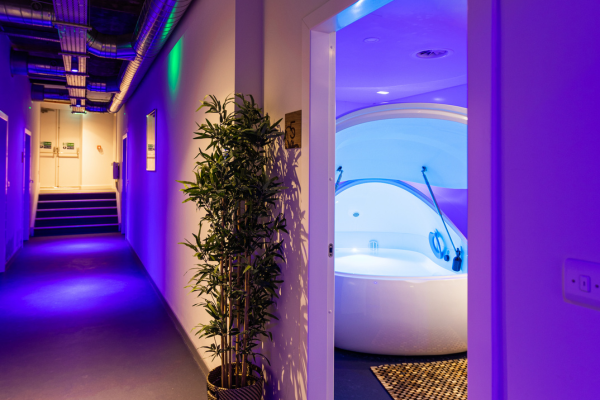
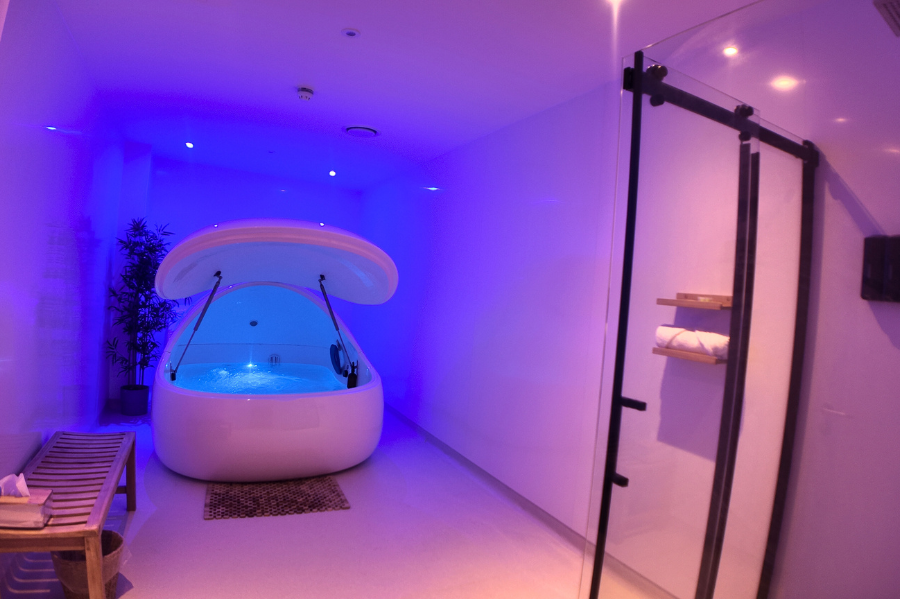
Floatation therapy provides a unique experience by placing the body in near-zero gravity in warm, Epsom salt-saturated water, within a quiet, dark pod. This environment minimises sensory input, effectively lowering stress and anxiety levels by inducing a deep sense of relaxation. Research supports the therapeutic potential of floatation, with a 2018 study revealing immediate reductions in stress, pain, mood disturbances, and anxiety after just one float. Another 2022 study showed that floatation led to lowered blood pressure and improved heart rate variability, further suggesting deeper physiological relaxation. These benefits align well with massage therapy, which also targets mood enhancement and mental clarity.
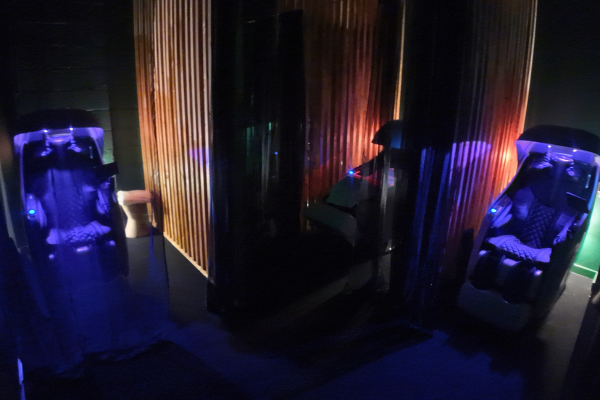
The most sustained benefits often come from combining therapies. Pairing floatation with massage and light therapy offers an integrated approach to mental wellness. For example, a 60-minute float session can help to quiet sensory input, followed by a 30 to 60-minute Red Light Therapy Massage Pod session to support circadian rhythm and mood regulation, then a targeted massage to release residual tension. This approach has been shown to provide complementary benefits, such as improved mood, reduced anxiety, and better sleep.
For best results, we recommend scheduling weekly sessions over a 4 to 6-week period, monitoring mood with tools like the PHQ-9 or GAD-7 scales, tracking sleep quality, and adjusting session frequency based on individual response. Floatworks, with its floatation and Red Light Therapy Massage Pods, is ideally placed to offer this holistic, evidence-informed approach.
How Sensory Deprivation Calms the Brain
Floatation therapy (or REST) helps to quiet light, sound, and gravity, allowing the nervous system to shift from a state of vigilance to recovery. With minimal sensory input, stress hormones such as cortisol and adrenaline decrease, while mood-enhancing neurotransmitters like endorphins and dopamine rise. Neuroimaging studies have shown that floatation therapy reduces connectivity between regions of the brain associated with stress, supporting emotional regulation and clarity. This reset aligns with Floatworks’ mission to remove external distractions, allowing the mind to settle into a calm, restful state.
Research on Anxiety and Depression
Studies demonstrate rapid relief of depressive symptoms after floatation therapy. In a trial of 50 participants with anxiety and depression, a single 60-minute float session resulted in immediate reductions in anxiety, tension, pain, and self-reported depressive symptoms. In another study, multiple float sessions over several weeks led to sustained reductions in anxiety and low mood, with participants reporting ongoing benefits. These results are consistent with the growing body of evidence suggesting that floatation therapy effectively reduces cortisol levels and enhances sleep quality, both of which play a significant role in managing depression.
Following a float, many people report feeling lighter, less ruminative, and more mindful. Both floatation and massage therapy share a common mechanism: reducing stress hormones and improving interoceptive awareness, which supports better emotional regulation. For best results, we suggest scheduling three to six float sessions over a 4 to 6-week period, alongside breathing exercises or guided body scans, and journaling to reinforce the positive changes. Floatworks can also combine light-based relaxation in the massage pods between floats to deepen the overall sense of calm.
Neurotransmitter Regulation: Boosting Serotonin and Dopamine
Massage therapy has a measurable impact on stress and mood biochemistry, which is why it can be an effective treatment for depression. Clinical studies show that after a single massage session, cortisol levels drop by around 31%, while serotonin and dopamine levels increase by approximately 28% and 31%, respectively. These neurotransmitters are crucial for regulating mood and motivation. The shift in neurochemistry helps create a window of relief for those experiencing low mood, making it easier to engage in psychotherapy.
Pairing hands-on massage with sensory-reduced environments like floatation pods or Red Light Therapy Massage Pods, as offered at Floatworks, can enhance these neurochemical benefits and help maintain calm between sessions.
Evidence of Massage’s Impact on Depression
A meta-analysis of 17 clinical trials involving nearly 800 participants found that massage therapy significantly reduced depressive symptoms compared to control conditions. Another trial in healthcare workers found that receiving regular massage sessions reduced anxiety, depression, and stress scores, highlighting its potential in high-stress environments. For ongoing benefits, we recommend scheduling 1 to 2 sessions per week for 4 to 8 weeks, while monitoring mood with the PHQ-9 scale.
Floatation Therapy Effectiveness: Statistically Significant Mood Improvements
Research shows that floatation-REST significantly improves mood and anxiety. A study of 50 individuals with anxiety and depression found that just one 60-minute float session led to notable reductions in anxiety and depression. Another trial showed that six float sessions resulted in long-lasting improvements, with symptoms continuing to improve for up to 48 hours post-float.
Massage Therapy Impact: Rapid and Lasting Depression Relief
Studies consistently show that massage therapy provides both immediate and long-term relief from depressive symptoms. A review of high-quality massage studies found that 83% showed significant reductions in anxiety, while massage sessions adjunctive to antidepressant treatment also improved overall symptom relief.
Combined Benefits: Synergy in Therapeutic Approaches
When combined, floatation and massage therapy work synergistically to reduce arousal, ease tension, and improve mood. For example, a 60-minute float followed by a Red Light Therapy Massage Pod session can extend the benefits of parasympathetic dominance and regulate circadian rhythms, which is especially helpful for those with nonseasonal depression.
Maximising Benefits with Combined Therapies
Combining therapies like floatation, massage, and light therapy maximises their individual benefits. A 2017 study found that adding guided meditation to massage therapy led to a significant reduction in anxiety and depressive symptoms. Bright light therapy has been shown to have a 41% remission rate in nonseasonal depression, which supports the inclusion of circadian interventions in a care plan.
Floatation can lower cortisol and relieve hyperarousal, making it an ideal preparatory therapy before bodywork. A practical protocol might involve 20-30 minutes of Red Light Therapy Massage Pod exposure in the morning, followed by a 45-60 minute float, and then a 30-60 minute therapeutic massage.
Holistic Wellness for Sustainable Mental Health Improvement
A holistic plan should target mood regulation, nervous system stability, and behaviour. Combining floatation therapy with massage and light therapy can improve sleep, reduce stress, and enhance body awareness. A recommended programme might involve weekly float and massage sessions for the first 4 weeks, followed by bi-weekly sessions in weeks 5-8, alongside daily mindfulness exercises and consistent sleep.
Floatation and massage therapy are credible, evidence-based options for supporting mental health and addressing symptoms of depression. For optimal results, we recommend integrating these therapies with regular tracking of mood, sleep, and other health indicators. At Floatworks, we offer integrated packages that combine floatation therapy, massage, and Red Light Therapy Massage Pods to help you feel more grounded, focused, and revitalised.
If you’re ready to experience the combined benefits of these therapies, book a session at Floatworks and begin your journey towards improved mental wellbeing.